Every founder we talk to is facing the same problem right now, even if they're describing it differently.
Their inbox looks like everyone else's. Their pitch lands the same as the company that pitched before them. Their sales team shows up to meetings armed with AI-generated messaging that sounds identical to the AI-generated messaging their competitors sent last week.
Doug Landis, founder of StoryPath and former Chief Storyteller at Box, has a name for this: the crisis of sameness. "Everyone has the same tools, the same prompts, the same outputs, and they're showing up with the same messaging," he said in a recent conversation on the Get Paid podcast. "Just look at your inbox, both your email and your LinkedIn inbox. It sounds the same. You're like, that a bot or a human? I don't know."
This is not a temporary problem. It is structural.
When Manny Medina asked Doug whether storytelling has become the only available differentiator in a world where product is cheap to build and everything is copyable, the answer was immediate: "100%."
Here is the part that most people miss. The crisis of sameness is not just a sales problem or a marketing problem. It is a pricing and positioning problem. If your buyers cannot distinguish you from your competitors before they even take a meeting, you have already lost control of the deal. Buyers are now conducting what Doug calls an "invisible evaluation," researching, comparing, and shortlisting before a human seller ever enters the picture. By the time you get a meeting, most of the decision has already been shaped by impressions you had no hand in.
That means the moment you do get in a room or on a Zoom call, you have one shot. Not to demo. Not to walk through a deck. To make someone believe something they did not believe before you walked in.
That is what storytelling actually does. It does not inform. It does not persuade through logic. It generates belief. And belief is what moves deals.
The practical implication for founders building in the agentic era is this: the companies that win will not necessarily be the ones with the most capable models or the most features. They will be the ones whose teams can walk into a room and make a buyer feel like transformation is genuinely possible. That is a skill. It can be built. But almost nobody is building it deliberately.
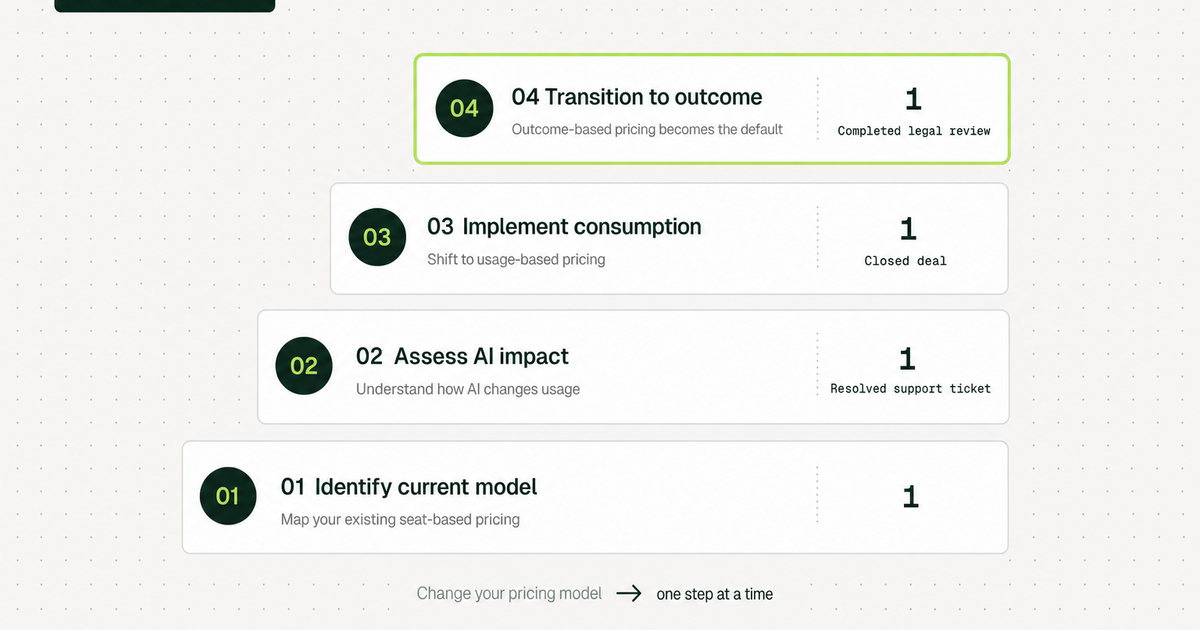
At Paid, we see this pattern play out in how companies think about pricing too. If you cannot tell a coherent story about where your product creates value, you will struggle to charge for it. Pricing that lives outside your narrative feels arbitrary to buyers. Pricing that emerges from a clear story about what you are replacing, what you are enabling, and for whom feels like an obvious conclusion.
To hear the full conversation with Doug Landis, links to the episode are at the bottom of this page.
Episode Links:
- Apple Podcasts: https://tinyurl.com/mrypxp24
- Spotify: https://tinyurl.com/396dhbzc
- YouTube: https://youtu.be/0x42WJTaA9o
Stay ahead of AI pricing trends
Get weekly insights on AI monetization, cost optimization, and billing strategies.
Monetize AI Without the Headache
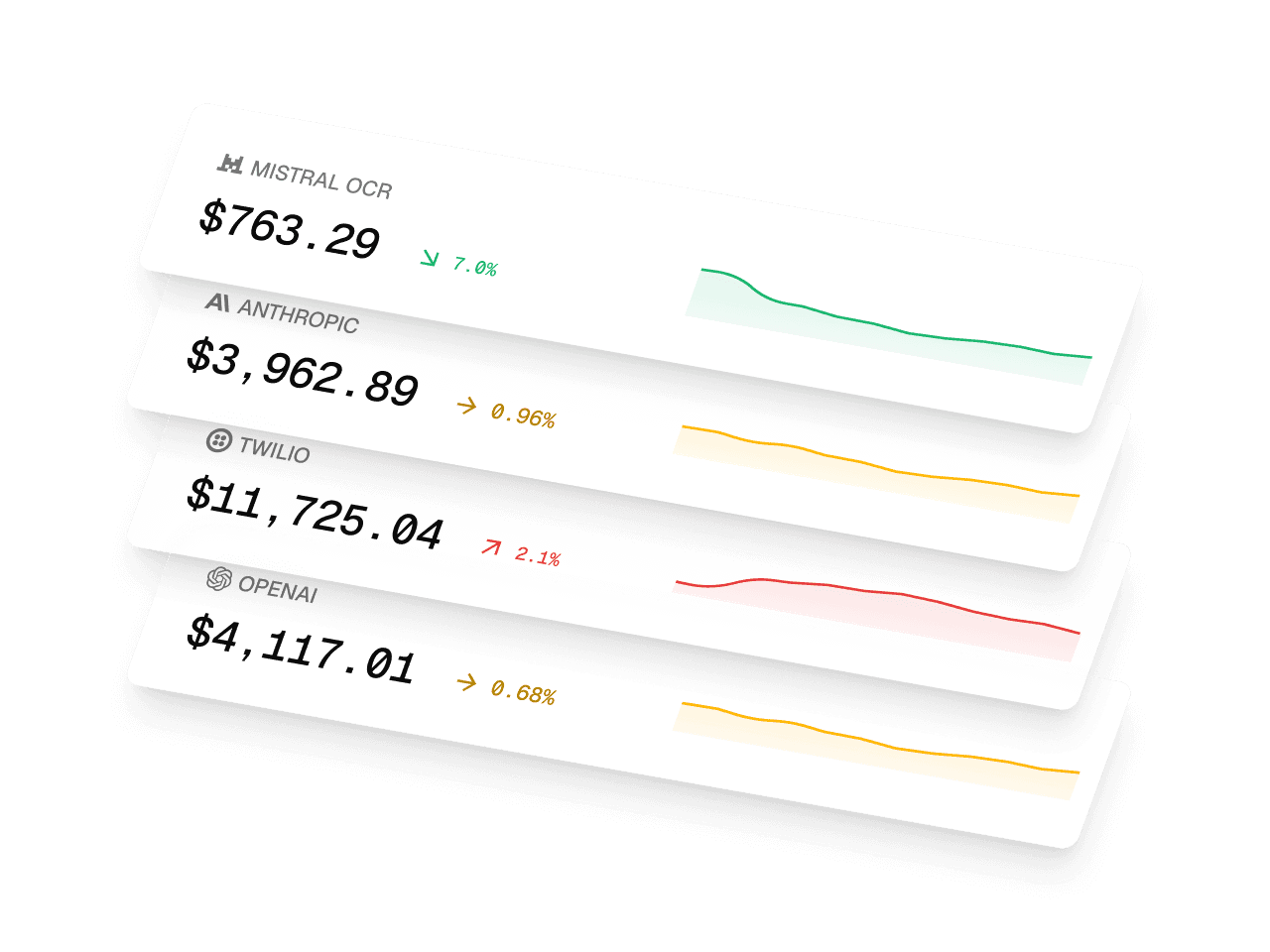
The billing platform built for AI companies. Launch pricing models, track costs, and optimize margins—no engineering lift.
- Track AI costs by model & customer
- Launch usage-based pricing fast
- Know your margin on every deal
- Integrate in minutes