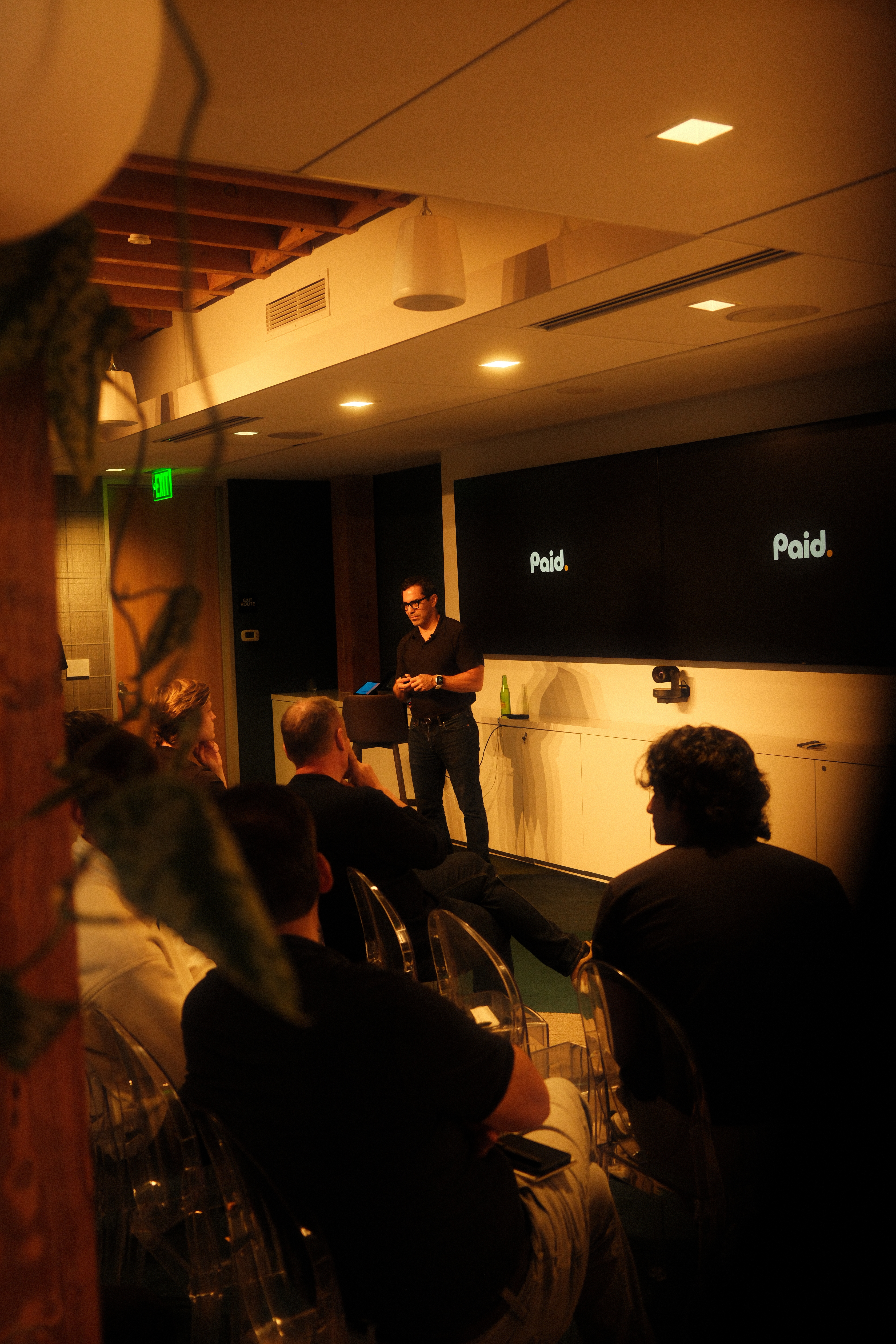
Last Thursday night, Lightspeed's San Francisco office turned into a playground for great conversations about AI economics I've witnessed. The topic? How to actually make money with AI agents.
We expected 80 people. We got 300 registrations. We had to turn people away at the door.
Here's what that tells you. Everyone's building agents. Almost nobody knows how to price them profitably. And for the first time, pricing isn't a back-office function anymore. It's a board-level emergency.
Monetization has become strategy
AI is forcing every SaaS company to rethink monetization from the ground up. This isn't iterating on pricing tiers. It's rebuilding the entire economic model while the plane is flying.
The room had an interesting mix. 40% founders. a bunch of investors. And surprisingly, a few CFOs and RevOps leaders.
Five years ago, CFOs didn't show up to product meetups. Now they're in the room because pricing decisions make or break the company before the next board meeting.
One RevOps leader I spoke to said something around "we spent three years perfecting our seat-based pricing. Our entire sales comp structure is built on it. Our forecasting models assume it. Now we need to throw it all away and figure out how to charge for outcomes we can barely measure."
Our big thoughts
Manny asked the crowd to take big notes for big thoughts.
I did see most people writing, and here are mine:
1: Your margins are already dead, you just don't know it yet
Lots of people told me they don't really know how they're pricing, or how to approach it.
They won't be our customers necessarily, but they don't know if they're even breaking even. Not low margin. Straight negative.
You could see founders doing mental math on their own features, as Many showed the margin collapse.
2: Seat-based pricing is corporate welfare for AI
This one sparked a bit of a debate. Traditional SaaS charges per seat because humans are the constraint. But what happens when one agent replaces five employees? You're charging for one seat while delivering five people's worth of value.
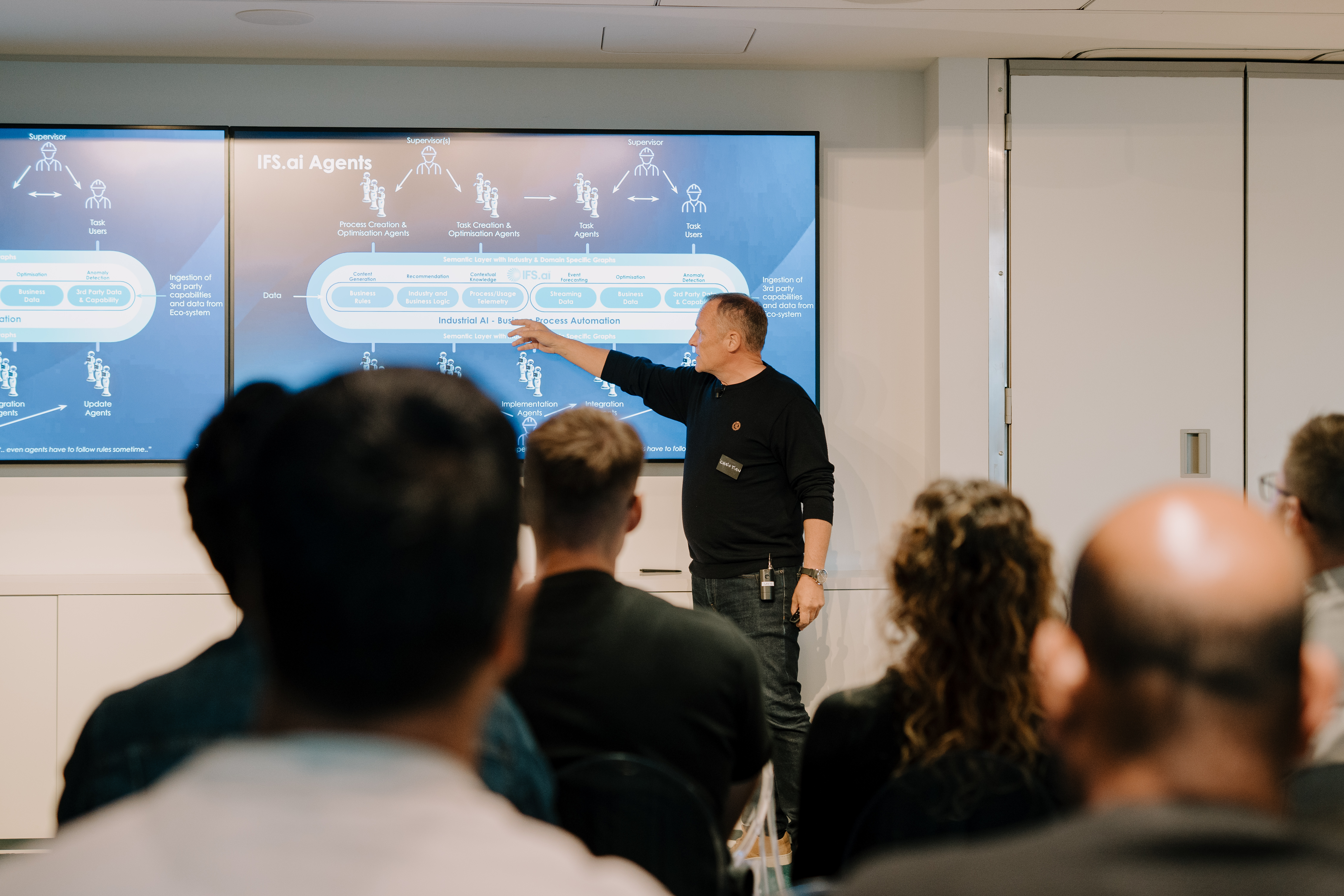
Christian from IFS put it perfectly when talking about their IFS.ai offering. They're running industrial AI agents that manage entire fleets of ships. Charging per seat would be like charging for one forklift on a navy vessel when you've automated the entire dockyard.
3: Outcome-based isn't optional anymore
Every successful agent company in that room had already moved to some form of outcome pricing. Not because it's trendy. Because it's the only model that aligns incentives when agents can scale infinitely.
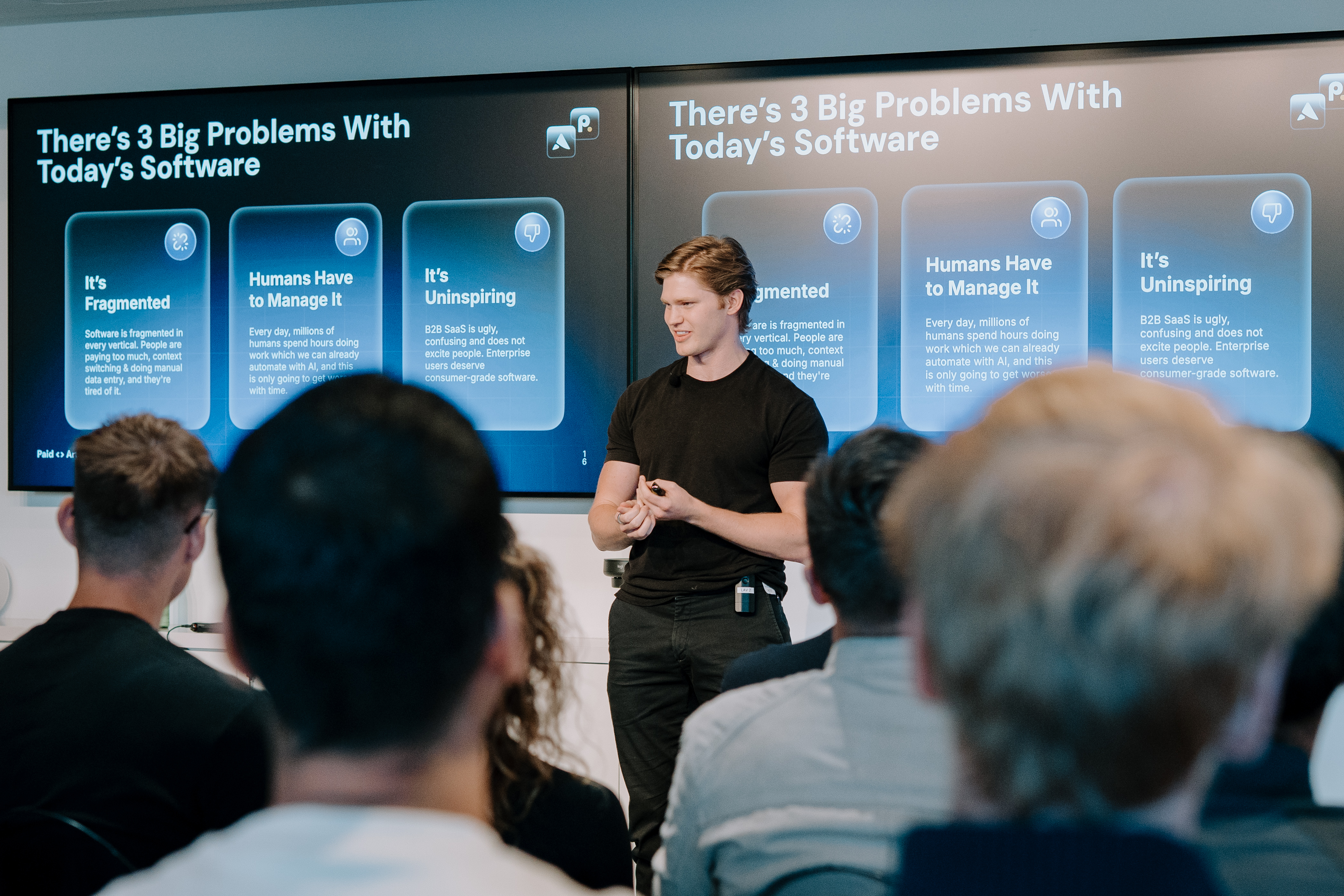
Sierra charges only for successful task completions. Fin charges $0.99 per AI resolution. Not experiments, but survival strategies...
4: Manoj's demo
You had to see it - but Manoj showed how one agent can be monetized in different ways for different customers, despite the core offering be the same.
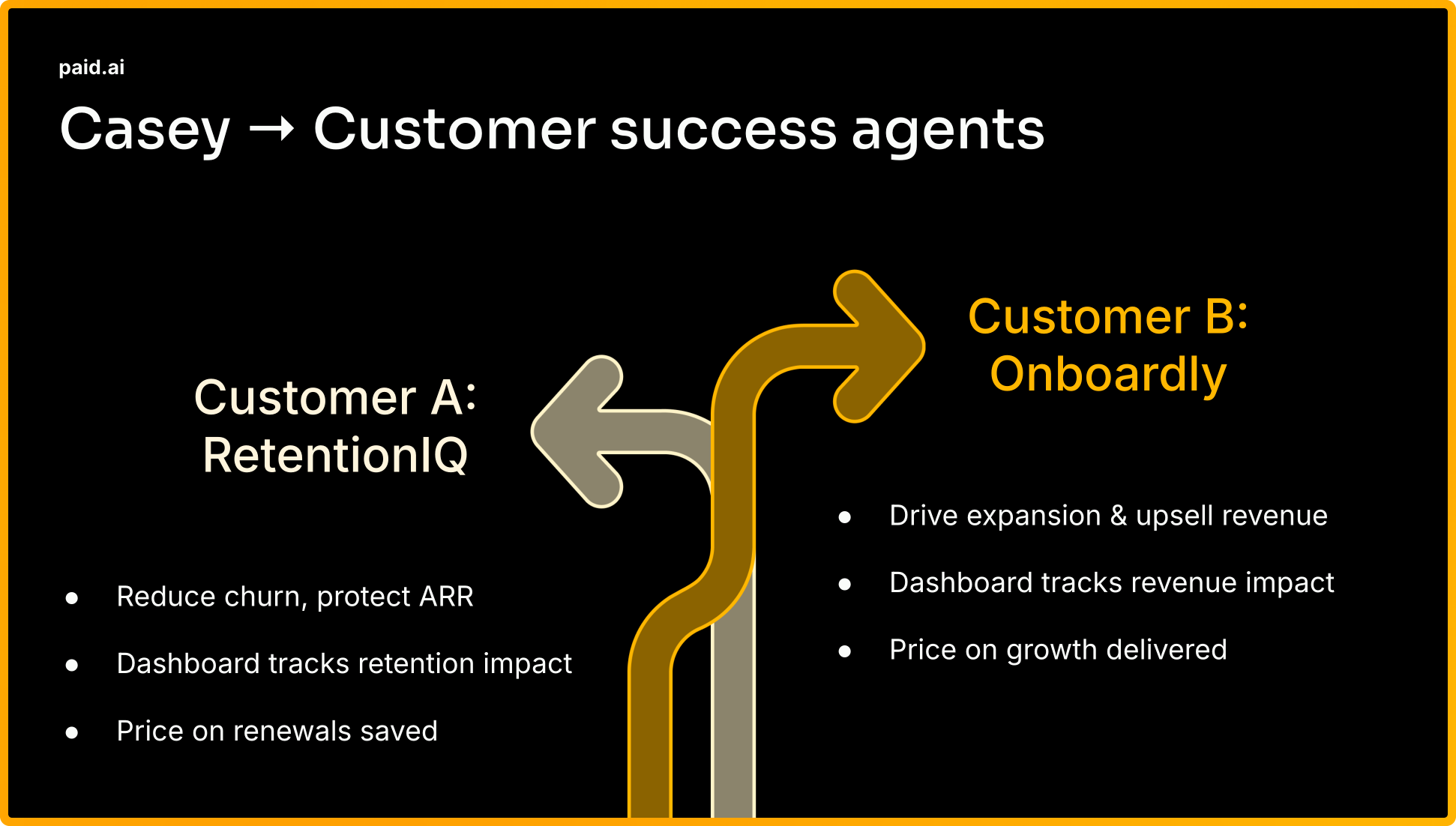 Customer A pays per renewals saved. Customer B pays per outcomes on growth delivered.
Same underlying costs. Wildly different margins.
What now?
We've had serious pick-up, from companies we never thought would be our customers. One attendee texted me earlier today (at 3am my time!), after running their numbers post-event, they want to reprice and get a grip on margins.
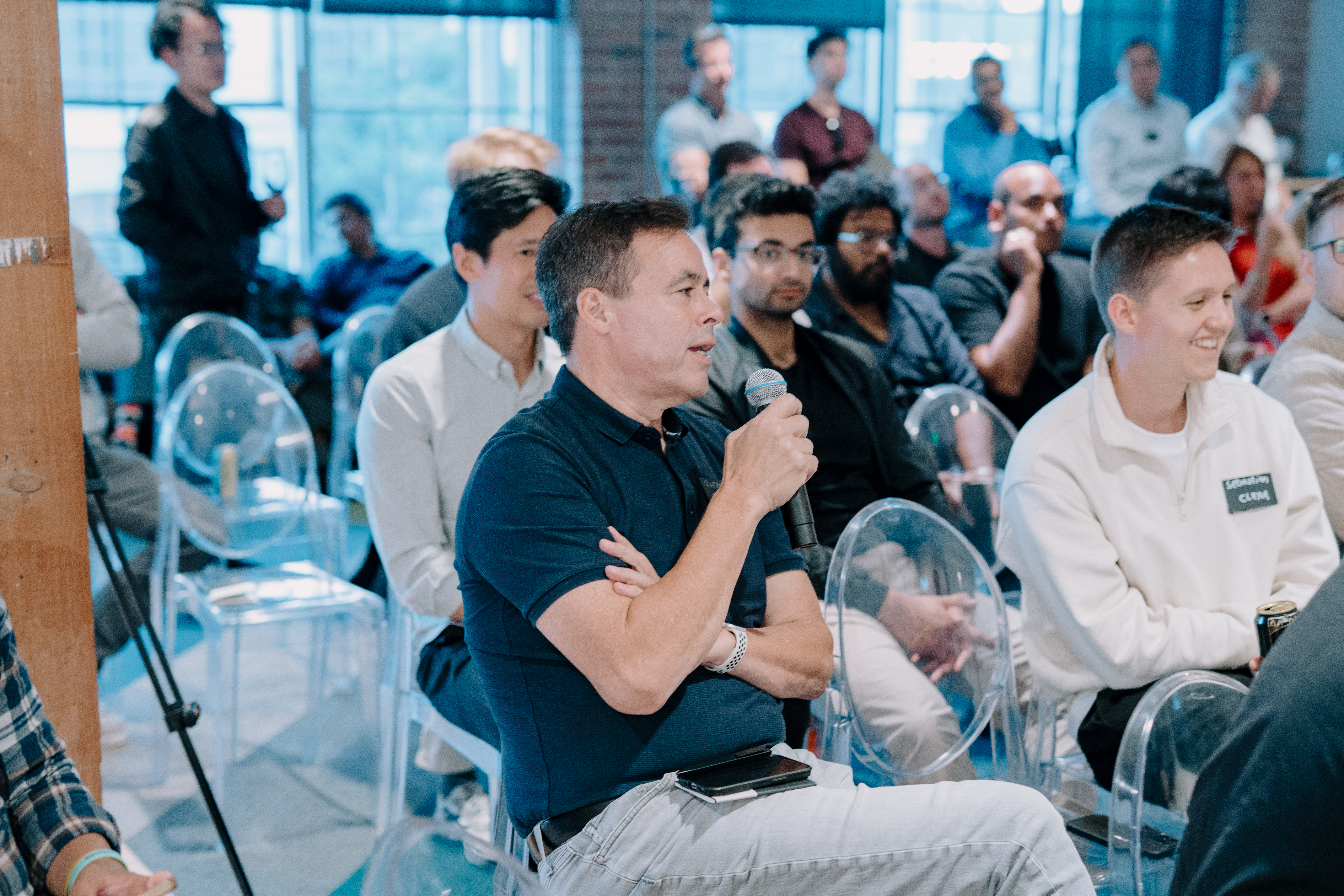
That's the difference between building agents and building a business.
For those who missed it, we're offering pricing consultations to attendees only, valid through next week. If you're struggling with agent economics, now's the time to fix it - reach out via the QR code you got.

The tools exist. The playbooks are emerging. The only question is whether you'll figure out your economics before your runway ends.
Build agents. Get Paid.
Stay ahead of AI pricing trends
Get weekly insights on AI monetization, cost optimization, and billing strategies.
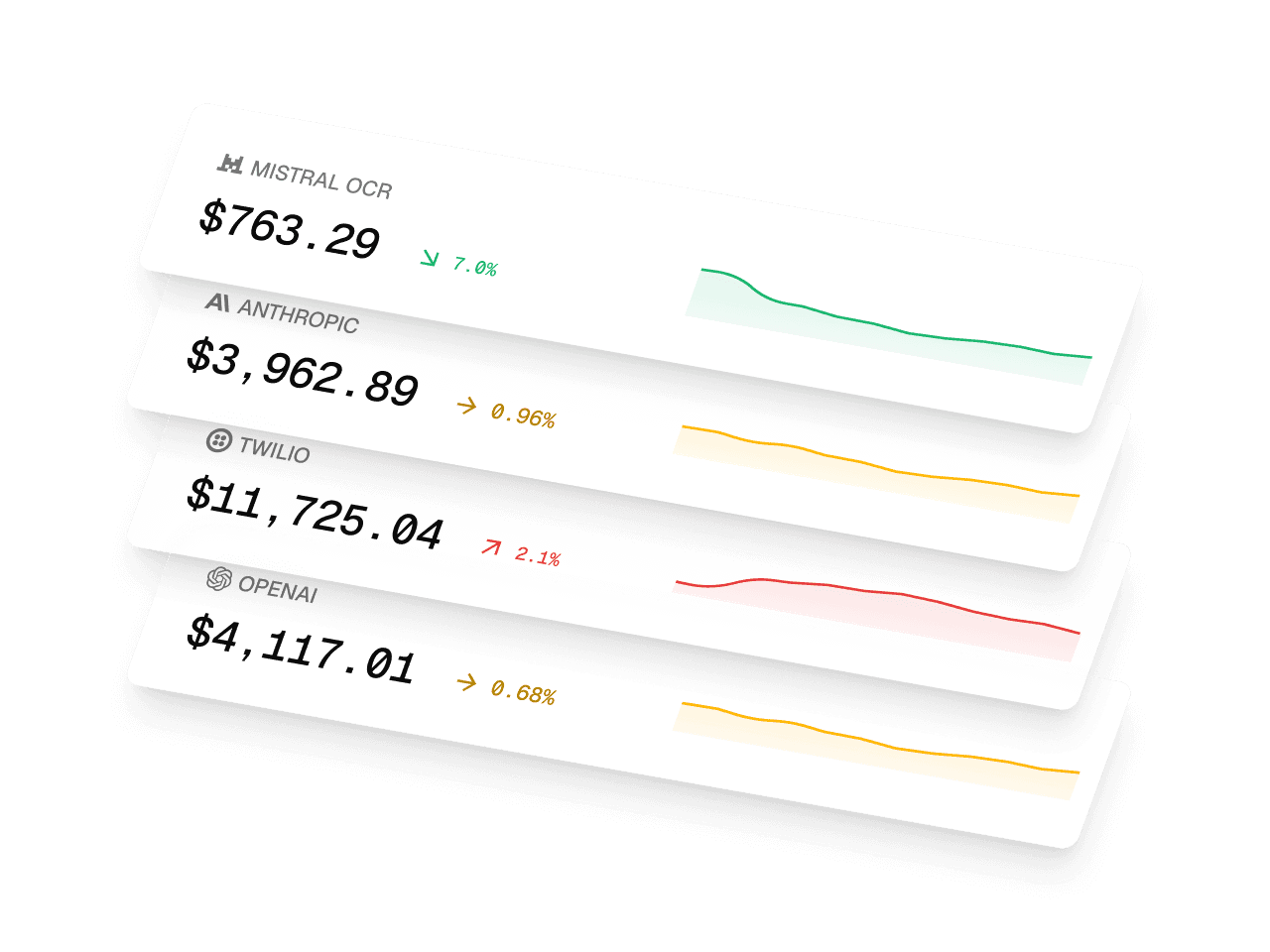
Monetize AI Without the Headache
The billing platform built for AI companies. Launch pricing models, track costs, and optimize margins—no engineering lift.
- Track AI costs by model & customer
- Launch usage-based pricing fast
- Know your margin on every deal
- Integrate in minutes